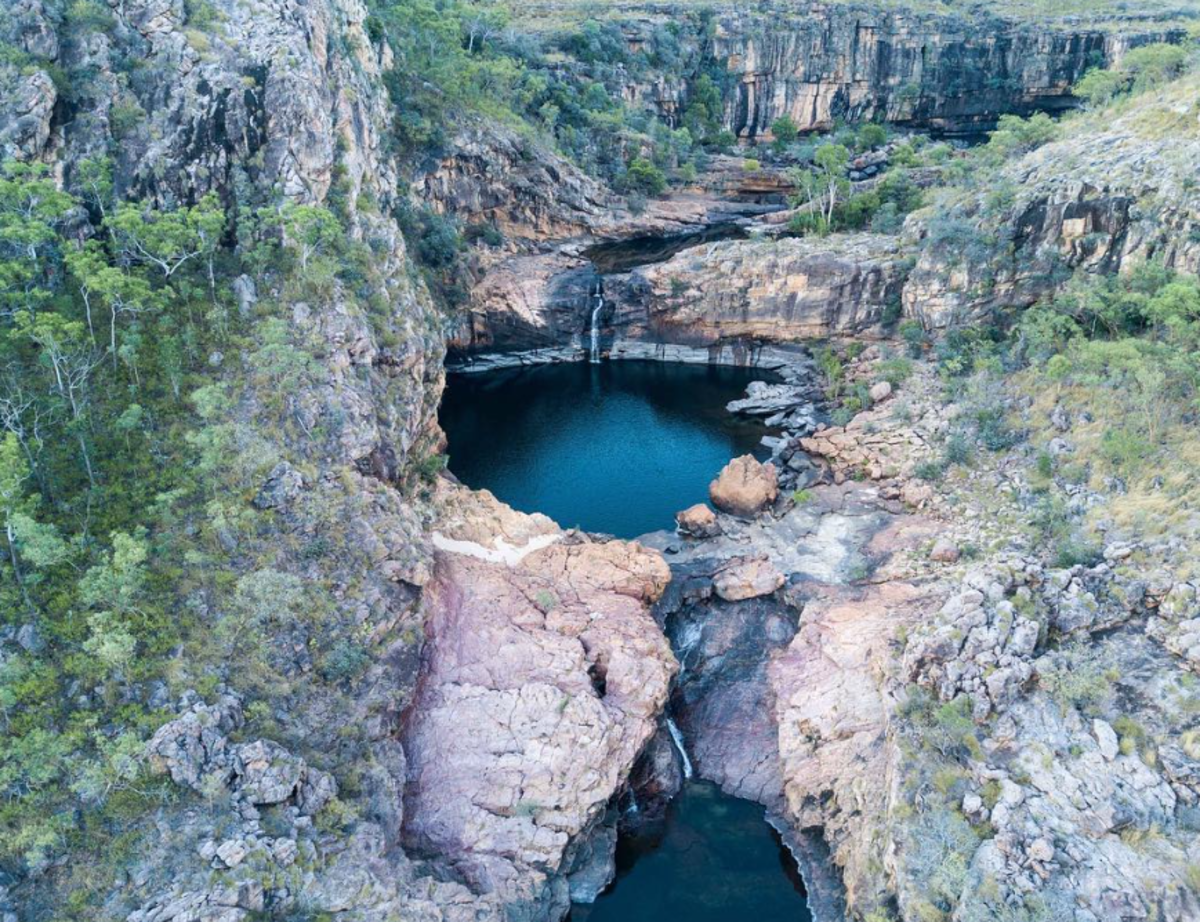
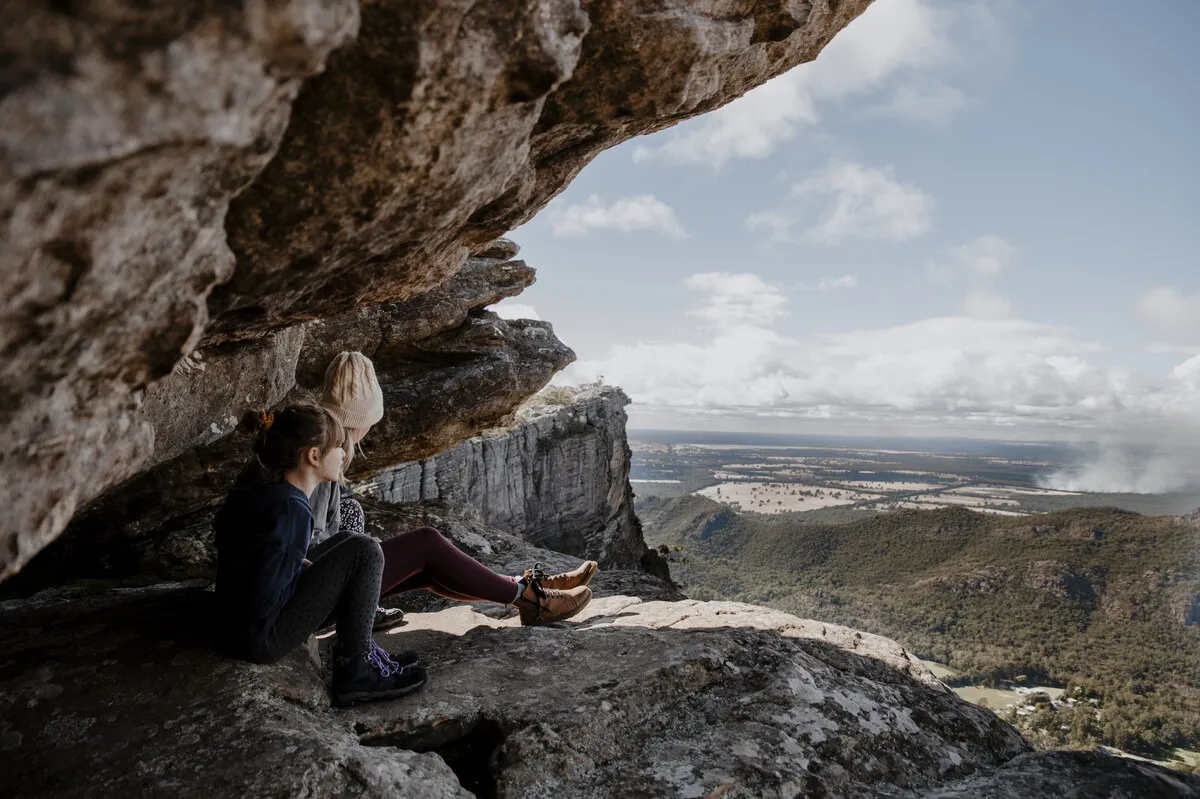
If you love being in nature and wildlife, Grampians National Park is the place for you. This article will take you through the wildlife and landscapes of the area, with info on local mammals and birds and a nod to conservation efforts. Want panoramic views from Boroka Lookout or just ancient rock art? The park has it all and more to showcase its unique landscape and rich Aboriginal history.
Significance
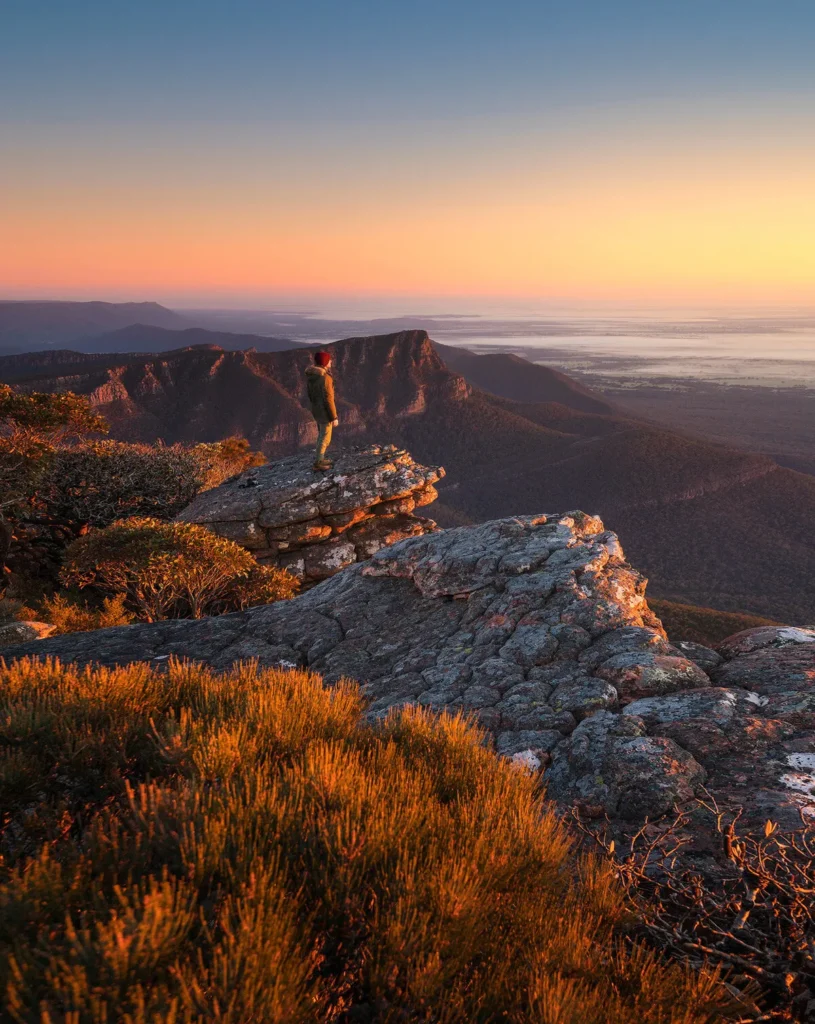
Grampians National Park is an ecological and cultural gem. It covers 167,000 hectares and includes many habitat types and landscapes. The volcanic plains in the park, like the Victoria Range, which has big views, are a reminder of its dramatic geological history. This site has strong connections with the Gunditjmara and Jardwadjali people, which can be seen in the Aboriginal rock art and cultural landscape of Grampians National Park. Add to that the already rich Aboriginal history.
Biodiversity
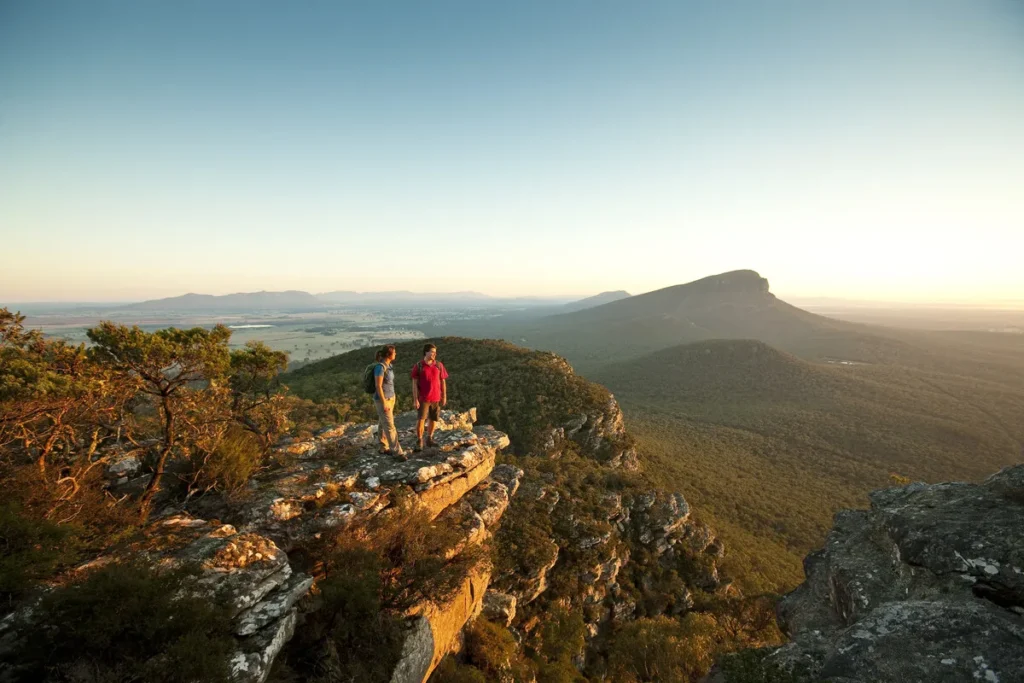
Grampians National Park is a hot spot for biodiversity. Along with common plants like native vegetation, there are over 1,000 plant species in this park that support different animal life forms. By providing resources for local fauna from rare to common and everything in between, botanical richness across the reserve ensures their survival. There’s also an ecosystem that’s good for the park and a great photographic guide to indigenous wildlife.
Landscapes: The Grampians
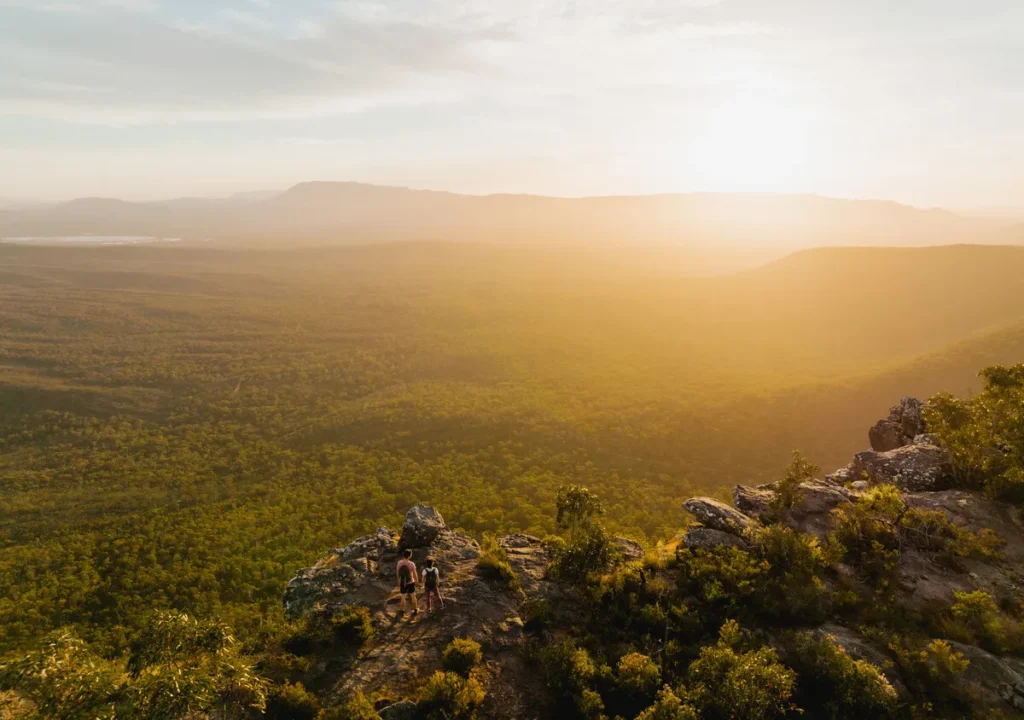
The Grampians are known for their scenery and waterfalls. Some of the key features are Lake Bellfield and Lake Wartook, but most of all, Silverband Falls is one of the biggest in the area; no wonder Reed Lookout would have views of mountain ranges with crater lakes visible on the Grampians Peaks Trail. The park has many landscapes, from rugged sandstone shelters like Manja Shelter and Billimina Shelter to towns within the park boundaries.
Wildlife
The wildlife in Grampians National Park is diverse and very unique to Australia. Here are some native animals that you may encounter:
Kangaroos
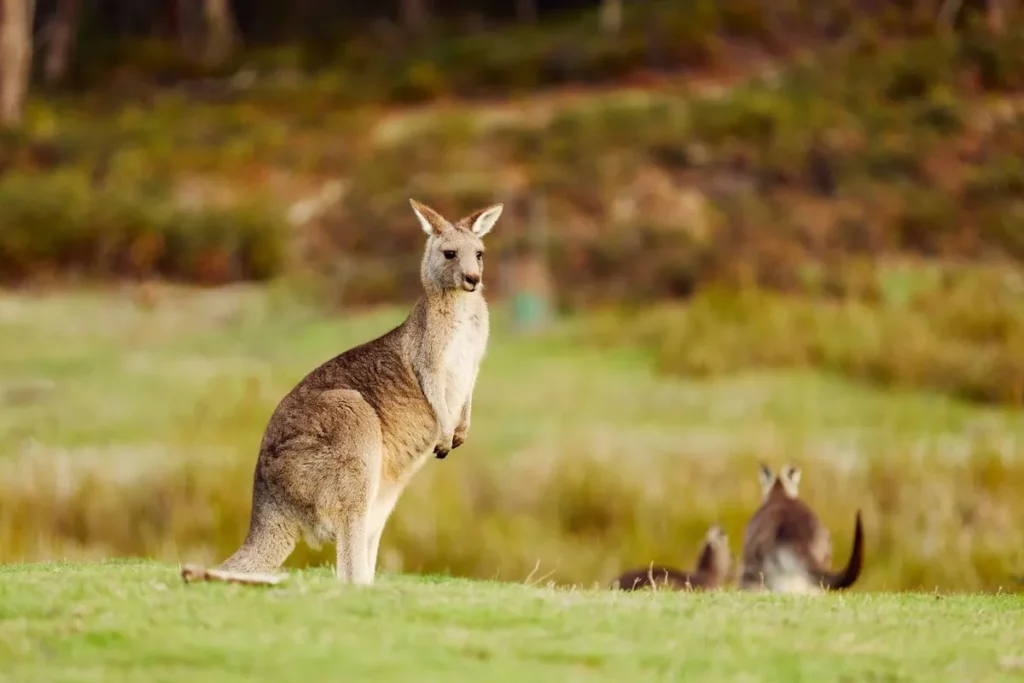
Kangaroos are one of the most Aussie animals, and you can see them at the Grampians National Park. These amazing marsupials are happy in open grasslands and sparsely wooded areas of the park. They have powerful hind legs and big feet, so they can hop long distances to find food or water. In the Grampians, you can see them grazing on open plains in the early morning or late afternoon. They live in mobs led by a dominant male kangaroo, and their social structure is based on these mobs as well. Mobs are groups of kangaroos living together cooperatively under an alpha male who is in charge of all the other males in his mob. Watching these mobs in their natural habitat is a great chance to see into the everyday lives and interactions of these amazing animals
Wallabies

The Grampians are full of wallabies, the smaller cousins of kangaroos. The most common is the Red-Necked Wallaby, which can be seen in the forested areas of the park. Unlike their bigger relatives, wallabies are more antisocial and are often seen alone or in small groups searching for food. They may be small and have different colours to attract wildlife enthusiasts. They are less active during the hottest part of the day, so it’s better to look for them in the early morning or late evening. With thick undergrowth and a highly developed sense of smell, they can live in any part of the park.
Echidnas
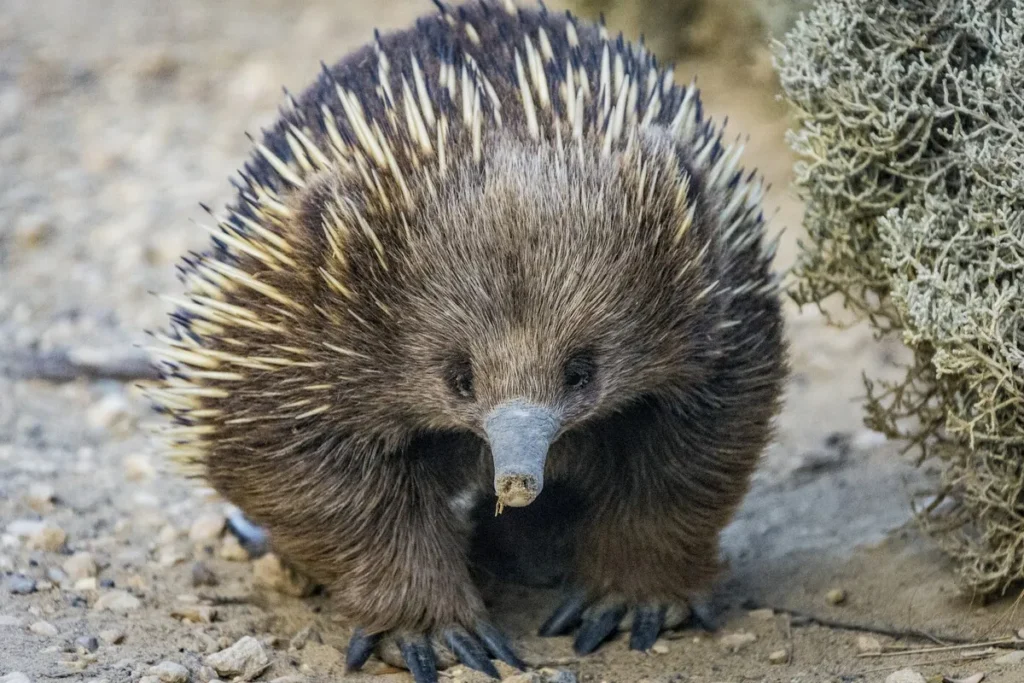
The Grampians have many indigenous animals, including echidnas and spiny anteaters. They have long snouts and spines all over their bodies, so you can’t mistake them for anything else. Echidnas are insectivores, so the snouts help them find ants and termites hiding in the ground covers. Being nocturnal, most of the time, they are not seen, but if you wait patiently, you can see them as they go about their daily business of feeding themselves by digging into the soil or other debris on the forest floor like they do when they lay eggs that look like monotreme eggs (like platypuses).
Possums & Gliders
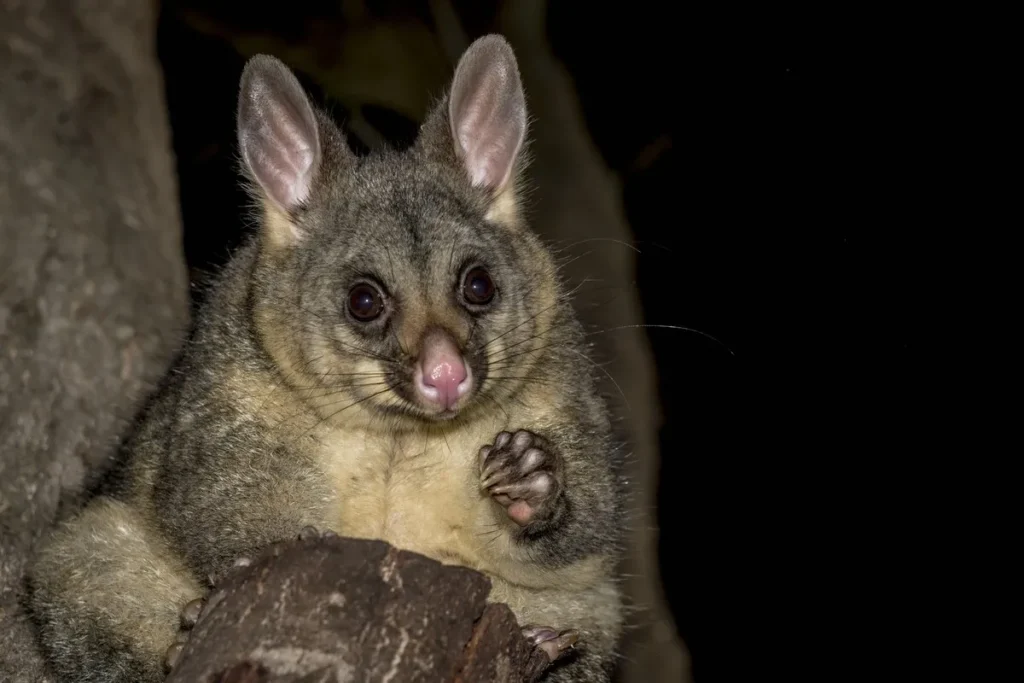
There are many species of possums and gliders in the Grampians National Park, so there are many different habitats across the park. Some of them are sugar gliders, which are very popular among tourists because they glide at night. Small, fast-moving animals like these can move quickly along tree branches by gliding between each two branches, where they find food in the canopy trees without touching the ground with their bodies. There are other possums as well, such as the Common Brushtail Possum, which can be found in the forested part of the park. After dark, when they become conscious again, it’s easy to see them because they are nocturnal.
Emus
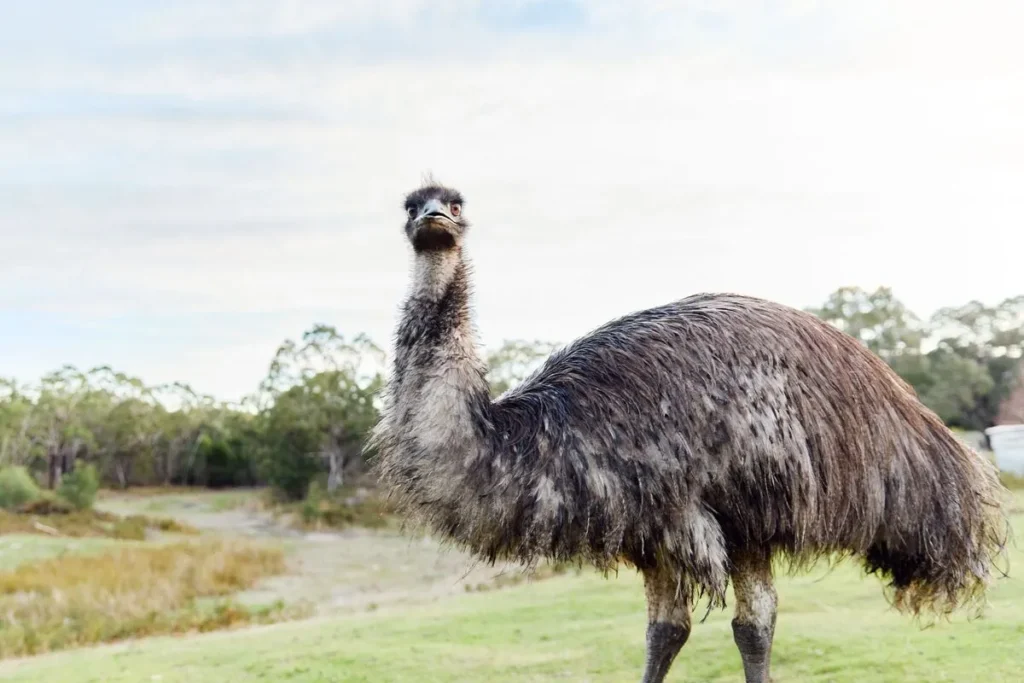
Australia’s biggest native bird, the emu, can be found in the grasslands of The Grampians. These tall birds with long legs and bright feathers are easy to spot anywhere. Emus’ legs are strong, so they can cover a lot of ground as they search for food, just like their incredible running speed that’s unmatched by any other bird. Small seeds, fruits and insects in open areas are what they eat when they roam in small mobs where each one can find their own share independently of the others. So, emus adds to the park’s diversity and gives people the chance to see some amazing birds within its boundaries.
Kookaburras
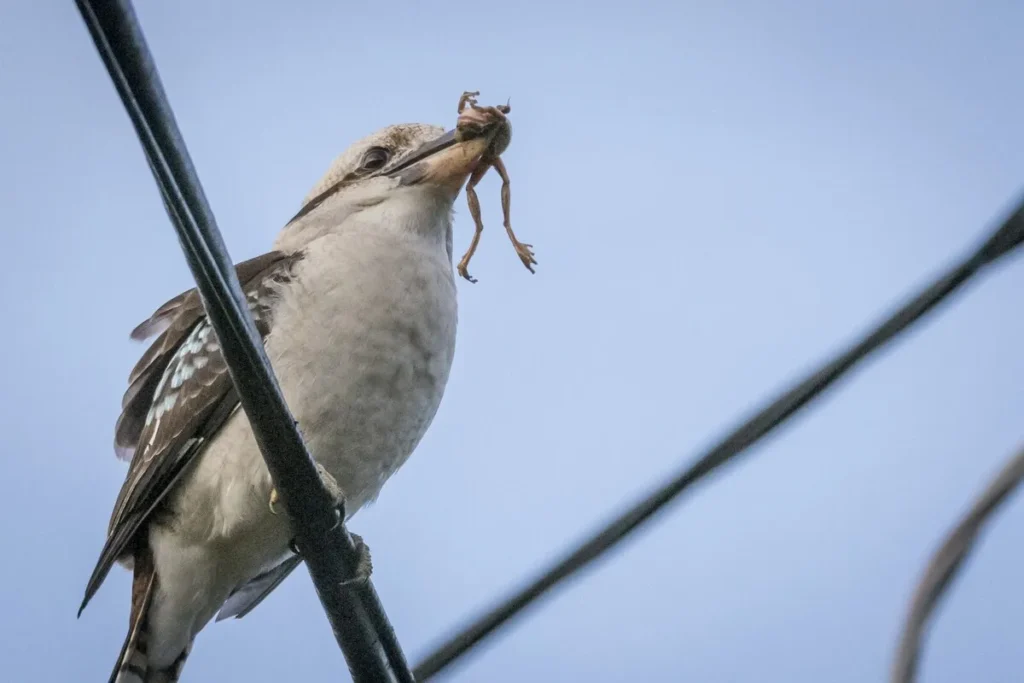
Kookaburras live in Grampians, where they make a sound like laughter, which is one of their special features. In fact, kookaburra laughter is heard almost everywhere in these forests, especially when they sit on top branches singing out loud across the woodlands all over the area. They don’t just make different calls. They also catch small creatures, from bugs to frogs to tiny reptiles. From dense forests to open woodlands, they can change their habitat, so you need to be on the lookout while passively monitoring them in different areas all over this region and back into your ears again.
Parrots
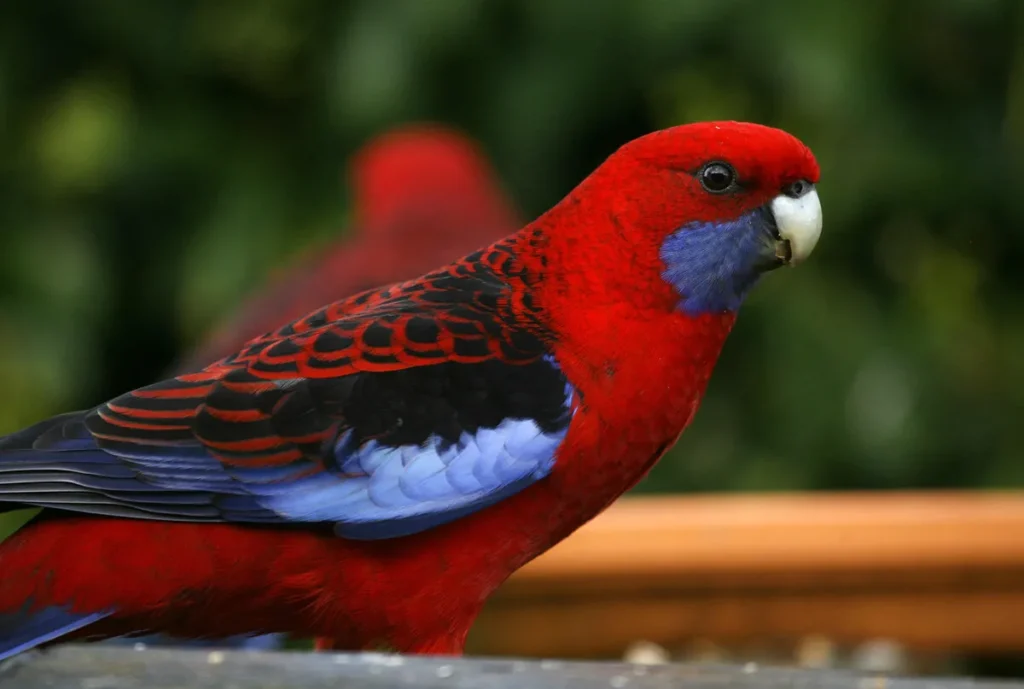
The Grampians National Park has many types of parrots so it’s a kaleidoscope of colours and birdlife. Two of the most colourful and common parrot species in the park are Eastern Rosella and Crimson Rosella. These birds have bright plumage from deep reds and blues to greens and yellows. With their happy calls and social nature they bring joy to birders and visitors. There are many places in the park where you can see these birds foraging for seeds or fruits or interacting with each other on trees.
Other Birdlife
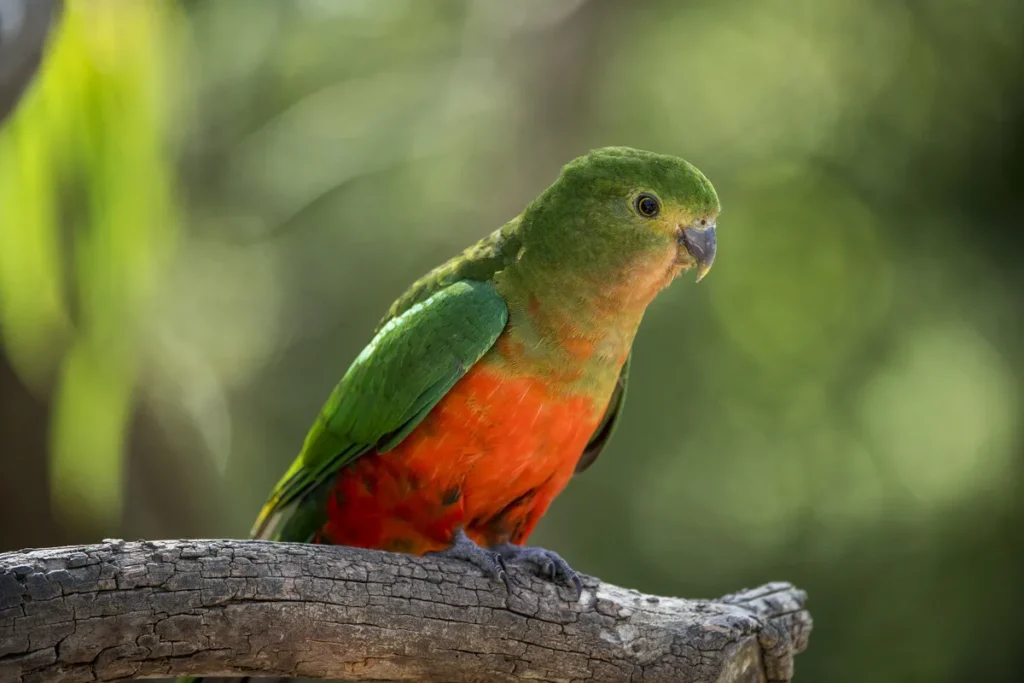
Apart from the above, there are many other native bird species in Grampians National Park. Examples are the rare wedge-tailed eagle, which soars over the park’s vast landscapes, and powerful owls, which prowl at night. The wetlands, grasslands and woodlands in the park support a wide range of birdlife, so it’s a haven for ornithologists and nature lovers. With many avian species, this national park is ecologically rich, so there are endless opportunities to learn more about them while having fun.
Where to Go
To see the wildlife and natural beauty of Grampians you need to go to different areas. Each place is a chance to see native animals in their natural habitat and that area’s special features.
Halls Gap
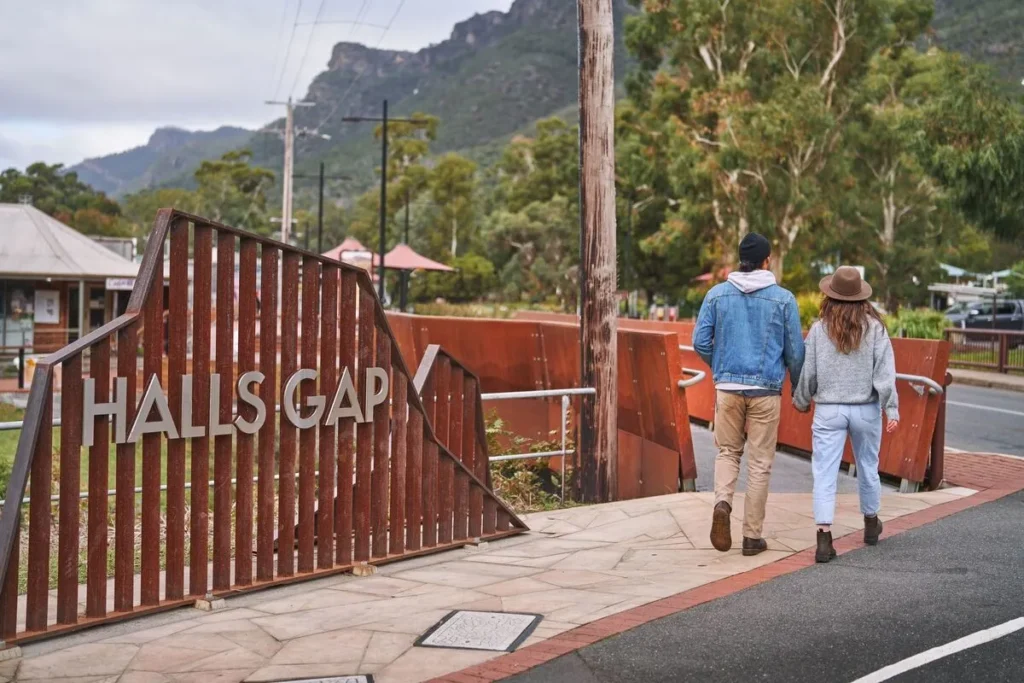
This is a pretty town that gets tourists who are looking for wildlife or just sightseers who aren’t into birds like me. Halls Gap is right in the middle, so it’s a perfect base for all the hiking trails, viewing platforms, adventure activities and whatnot here. The town itself has everything you need so you don’t have to go far for anything. There are many walking tracks that will take you to beautiful views and hidden spots where you can see kangaroos, emus and, if you’re lucky, the echidna. You’re never far from nature. It’s just a stone’s throw from the wilderness.
The Pinnacle
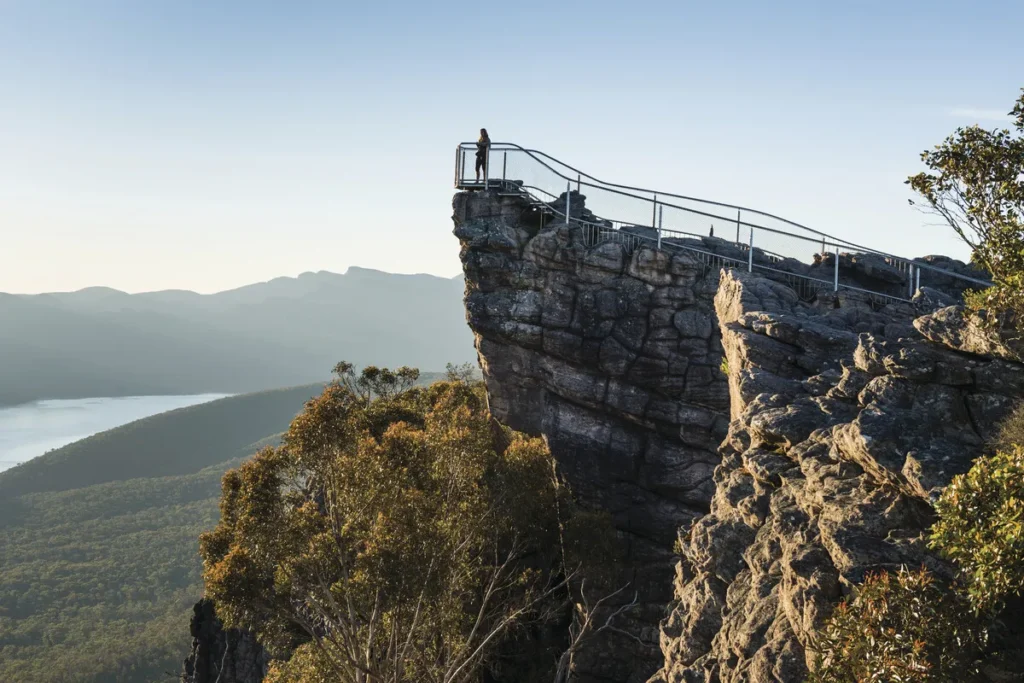
This is one of the most popular viewpoints in Grampians, and it has stunning views. The Pinnacle Walk is a challenging one with great views. From the top, you can see the valleys and mountains below. Also, this is a great spot to see kangaroos or wallabies early in the morning or late in the afternoon, just before sunset. The vegetation changes dramatically here, so it’s a good spot for wildlife photography and observation.
Boroka Lookout

Boroka Lookout is an “ornithologist” who loves birds and nature too. Located on the western side of Grampians National Park, it’s a great spot for birdwatchers to see different species of birds around here. Emus, parrots and others live in the surrounding woodlands and open grassy areas. It has a nice viewpoint where you can sit and watch birds in front of you rather than just trees or flowers like inside the park today. Early morning or late evening, when it’s cooler, is more fulfilling as they are more active during these times.
Reed Lookout

Reed Lookout is the perfect stop for anyone who wants to see wildlife and get a big view. The lookout is famous for its stunning views across the rugged landscapes and wide gorges of the park. It’s also a great spot to see laughing kookaburras, parrots on nearby branches or flying overhead. This area has many bird species so it’s a birdwatcher’s paradise. So the scenic overlook with easy bird sightings makes it a must see in any Grampians visit.
Grampians Wildlife: Do’s & Don’ts
Don’t Feed Wild Animals Here
Feeding wild animals can change their natural behaviour and make them dependent on human food. Just observe from a distance.
Don’t Feed
Also, feeding birds can change their behaviour and diet. Watch birds but don’t feed.
No Bread
So bread and other processed food is not safe for animals living in this habitat. Just watch them but don’t give any food.
Drive Slow
When driving through the park, be careful. Animals crossroads, and moving slowly saves lives.
Slow Down
Driving slow in the park is safe for you and wildlife. Also, you can see more wildlife around.
Injured Wildlife
If you find injured animals, contact local rescue services that deal with such cases rather than trying to help them yourself, as they can still be dangerous even when hurt.
Summary
Grampians National Park is a stunning display of the natural beauty and fauna that exist in this region. For nature lovers, there is no better experience than this park – magnificent waterfalls, breathtaking views, and so many native animal species will not leave anyone untouched. By following the rules of interacting with its wild world and respecting it, you can help conserve its unique biodiversity and ensure a future for the park and all who visit.
FAQ
When can I see wildlife in the Grampians?
The best times to see animals are early morning or late evening. Warm weather and beautiful scenery.
Are there wildlife tours in the Grampians?
Yes, many types of guided Grampians tours including those led by experienced guides who will tell you about the park’s wildlife and cultural history like Grampians National Park Tours.
Can I bring my dog?
Wildlife is not allowed in this national park so pets are not allowed too. Leave your animal at home and enjoy the nature instead.
What should I do if I see a dangerous animal while walking?
If you meet an aggressive kangaroo or venomous snake, stay calm and slowly back away from it without making any sudden movements that may scare it off.
What’s the Grampians’ Aboriginal history?
If you are interested in the Aboriginal history of the Grampians, Brambuk Aboriginal Cultural Centre and Narana Aboriginal Cultural Centre are good places to start. They both have educational displays and tours where you can learn about the cultural significance of the park.